STOP SEARCHING DENTISTS
Your search ends here, at Ethos Dental Studio.
Your search ends here,at Ethos Dental Studio.
We combine advanced dental care with a compassionate approach, offering everything from preventative and restorative treatments to cosmetic enhancements. With a focus on personalized care and a commitment to your comfort, we’re the trusted choice for creating healthy, beautiful smiles. Visit us today and experience the difference.
DENTAL EXPERTS
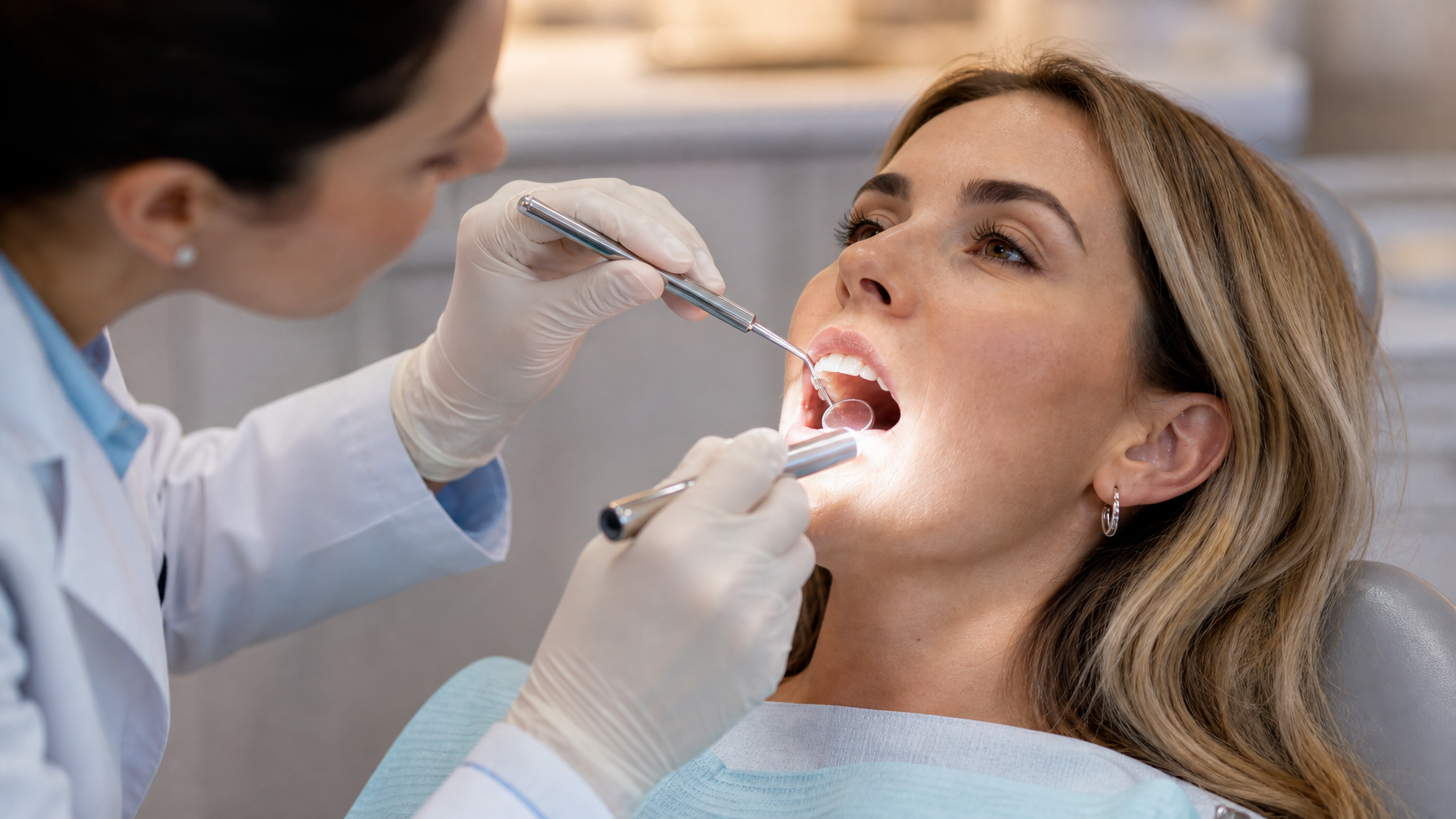
At Ethos Dental Studio, we go beyond the typical "dental dentist near me" search by providing a full range of services tailored to your needs. From preventative care and restorative treatments to teeth alignment and replacement, our team combines expertise with personalized attention to ensure your oral health is in the best hands. Whether you need a routine cleaning, teeth whitening, or advanced dental care, Ethos Dental Studio is your trusted partner for achieving a healthy, confident smile.
Learn More About Dental Services


COSMETIC ARTISTRY
We believe that true beauty encompasses both a radiant smile and healthy, glowing skin. That's why we offer a comprehensive range of cosmetic services designed to enhance your natural features and boost your confidence. From transforming your smile with professional teeth whitening, custom-crafted veneers, and durable crowns, to rejuvenating your skin with advanced treatments like Botox and microchanneling, we provide a holistic approach to aesthetic care. Our skilled team combines artistry and cutting-edge technology to deliver personalized solutions, ensuring you look and feel your absolute best.
Learn More About Cosmetic Services
INVISALIGN SPECIALISTS
At Ethos Dental Studio, we are proud to be a Gold Invisalign Provider, offering our patients a clear, comfortable, and discreet way to achieve straighter teeth. Our experienced team is highly trained in Invisalign technology and can create a customized treatment plan to meet your unique needs. With Invisalign, you can enjoy a more beautiful smile without the hassle of traditional braces.
Learn More About Invisalign


Wellness Practitioners
Ethos Dental Studio enhances your overall wellness beyond traditional dental care, recognizing the vital link between oral and systemic health, which is why we provide solutions for issues like snoring and sleep apnea. We address TMJ disorders with targeted therapies and and provide effective treatments of cold sores and cankers that promote healing and reduce recurrence. We expertly remove head and neck moles, prioritizing both aesthetics and health. These services reflect our dedication to your complete well-being and integrated approach to wellness.
MEET THE TEAM
The team at Ethos Dental Studio is highly skilled and committed to your oral health. Each member of our team is dedicated to providing you with personalized, compassionate care every step of the way.
SUBSCRIBE TO OUR NEWSLETTER
Get the latest news, helpful advice, office updates, special offers and contests.
Contact Us
WHAT THEY THINK
Feedback Matters
Feedback means everything to us. Hearing about your experiences helps us understand if what we do is what you want. We’re grateful to our patients for providing these valuable reviews and we hope it provides new patients with information on whether we are a fit for their needs.
Read Our Latest Blogs

Tooth decay rarely shows up overnight. It moves in quiet steps, starting small and getting more serious if it is left alone. The good news is that you can interrupt it at many points. With smart daily habits, regular check-ups, and the right treatment at the right time, you can protect your teeth and avoid bigger procedures. This guide walks you through the five stages of decay in plain language. You will see what each stage looks like, what it feels like, and what a dentist typically recommends. You will also get prevention tips you can use today, plus an action map that helps you plan next steps based on urgency and benefit. Spring is a great time to reset routines after winter. If it has been a while, consider a family check-up with digital X-rays and iTero 3D scans to catch small changes before they grow. Why decay happens Tooth decay is a process where acids from bacteria dissolve tooth minerals. Plaque forms when bacteria feed on sugars and starches. Acids pull minerals out of enamel in tiny amounts each day. Saliva, fluoride, and good hygiene put minerals back. When the balance tips toward acid and plaque, decay advances. Risk rises with frequent snacking, sticky sweets, dry mouth, deep grooves in teeth, and overdue cleanings. Protection improves with daily brushing, flossing, fluoride, balanced meals, and routine exams. Stage 1: initial demineralization What you might notice Chalky white spots on enamel, mild sensitivity to cold or sweet, or no symptoms at all. What helps now Fluoride to re-harden enamel. Professional fluoride varnish and high-fluoride toothpaste often reverse early changes. Sealants for deep grooves on molars to block plaque from settling. Hygiene upgrade: twice-daily brushing with fluoride toothpaste, daily flossing, and a 1-minute fluoride rinse in cavity-prone mouths. Urgency and planning Schedule a check-up soon and ask about digital X-rays and iTero scans for baseline images. Minimal cost now can prevent future work. Stage 2: early enamel decay What you might notice White spots turn tan or brown. Sweet sensitivity lingers. Food catches in grooves. What a dentist may do Small composite fillings to restore enamel and seal the area. Targeted sealants on neighbouring pits and fissures if they are at risk. Home support Continue fluoride care. Limit grazing. Rinse after snacks if brushing is not possible. Urgency and planning Treat in the next few weeks. Small fillings are quick, cost-effective, and preserve the most tooth structure. Stage 3: dentin decay What you might notice A visible cavity, dull ache, sharper sensitivity to cold, and occasional night twinges. What a dentist may do Larger composite fillings or an onlay when damage extends across biting surfaces. Desensitizing therapy if nerves are irritated. Imaging matters Digital X-rays and intraoral photos show the true size and hidden sides of the cavity. This helps you choose the right restoration. Urgency and planning Book soon. Delays can allow bacteria to reach the pulp. Medium cost now avoids root canal therapy later in many cases. Stage 4: pulp involvement and infection What you might notice Throbbing pain, lingering pain after hot or cold, swelling, a pimple on the gum, bad taste, or pain that wakes you at night. What a dentist may do Root canal therapy to remove infection and save the tooth, followed by a crown to protect it. Antibiotics as an adjunct when there is swelling or fever, but only alongside definitive dental treatment. Comfort and safety Local anesthesia is standard. Digital imaging guides precise care. Same-day pain control is a priority. Urgency and planning Seek care right away. Untreated infection can spread. Saving a natural tooth often protects your bite long term. Stage 5: advanced breakdown What you might notice Large broken pieces, abscess, shifting teeth, gum changes, and trouble chewing. What a dentist may do Extraction when a tooth cannot be predictably restored. Replacement options include an implant or a bridge. If an implant is chosen, your dentist will discuss timing, bone health, and a step-by-step plan. Urgency and planning Do not wait. Removing the source of infection protects your overall health. Replacing a missing tooth helps maintain jawbone and bite stability. Prevention first: daily habits that work Brush morning and night with fluoride toothpaste. Aim for two full minutes. Floss once daily. A water flosser can help if your gums are sensitive. Rinse with a fluoride mouthwash at a different time than brushing to extend protection. Eat balanced meals. Keep snacks to set times and choose nuts, cheese, yogurt, vegetables, and whole fruit over sticky sweets. Drink water, especially fluoridated tap water where available. Protect kids’ molars with sealants and keep a regular recall schedule. That prevention list looks simple, and it is. Consistency is what counts. Why regular exams, digital X-rays, and iTero scans matter Early decay hides in tight contacts between teeth and in deep grooves. Digital X-rays reveal decay between teeth, bone levels, and infection signs with lower radiation than traditional film. iTero 3D scans create a precise digital model of your teeth, so you and your dentist can spot tiny chips, recession, and bite wear over time. Intraoral photos let you see what your dentist sees. Together, these tools help you make clear decisions, plan costs, and avoid surprises. If you are searching for a trusted dentist in Langley, learn more about Ethos Dental Studio and how we use digital diagnostics to personalize your care. You can get started at our dental clinic in Langley, BC with online booking or by calling the office. Action map: symptoms, urgency, and next steps Mild white spots and no pain : book a check-up in the next month, ask about fluoride varnish and sealants. Sensitivity to sweet or cold, visible stain in a groove : schedule a filling soon to prevent spread. Visible cavity, food trapping, night twinges : plan a larger filling or onlay promptly. Throbbing pain, swelling, gum pimple, bad taste : urgent visit for root canal therapy or extraction. Go to the ER if there is fever, facial swelling that spreads, or trouble breathing or swallowing. Broken tooth with sharp edges : call for a same-day assessment. Temporary smoothing or filling can protect the area until definitive care. FAQs What are the 5 stages of tooth decay? Demineralization, early enamel decay, dentin decay, pulp involvement and infection, and advanced breakdown with possible tooth loss. How long can a broken tooth go untreated? It varies, but waiting is risky. Even a painless crack can collect bacteria and decay quickly. Sharp edges can cut your tongue or cheek. Call a dentist as soon as possible. If pain, swelling, or sensitivity appears, treat it urgently. What will a dentist do in an emergency? A focused exam and digital X-rays, local anesthesia for comfort, and same-day steps to remove the source of pain. This may include smoothing a sharp edge, replacing a lost filling, draining an abscess, starting root canal therapy, or performing an extraction when necessary. Antibiotics are used only when there are signs of spreading infection and are not a cure on their own. A gentle spring reminder Spring is a fresh start for routines and family health. A quick preventive visit now can keep summer simple. If you live near Walnut Grove or across Langley, our team at Ethos Dental Studio takes the time to understand your goals, explain your options step by step, and help you feel heard and valued. If you are ready for an easy, prevention-first visit, book your spring check-up with our dentist in Langley. Explore our digital diagnostics and family-friendly approach at our dental clinic in Langley, BC, then call 604-513-8282 or use online booking to find a time that works for you.


Tooth pain that throbs. A pimple on the gum that will not go away. A sudden bad taste in your mouth. These can be small signals of a bigger problem: a dental infection. When you are hurting, you want fast answers and a calm plan. At Ethos Dental Studio in Langley, we take the time to assess, explain, and treat dental infections step by step. You will know what is happening, why it hurts, and what your options are. We aim to control pain quickly, protect your overall health, and save teeth whenever safely possible. This guide explains how to spot an infection, what happens during an urgent visit, when same-day treatment or extraction is recommended, how sedation can help anxious patients, and how to decide between the ER and a dentist in British Columbia. How to know if a tooth is infected A tooth infection happens when bacteria enter the inner part of the tooth or the surrounding gum and bone. Infections can start from deep decay, a cracked tooth, failed dental work, or advanced gum disease. Warning signs often include: Throbbing or pressure pain that worsens when chewing or lying down Sensitivity to hot or cold that lingers Swelling in the gum, jaw, or face A pimple-like bump on the gum that drains or tastes salty or metallic Bad breath or a persistent bad taste Fever, fatigue, or swollen lymph nodes under the jaw Tightness when opening the mouth, or difficulty swallowing If you notice facial swelling, fever, trouble swallowing, or difficulty breathing, this can indicate a spreading infection. Seek urgent medical care right away. In BC, that means going to the nearest emergency department immediately. If symptoms are local to the tooth without trouble breathing or swallowing, call a dentist promptly for guidance. What to expect at an urgent dental visit We focus on comfort, clarity, and safety. A typical emergency appointment for suspected infection includes: Targeted questions about pain, swelling, and medical history Digital X-rays and, if needed, intraoral photos to locate infection Gentle testing of the tooth and gums Clear explanations of findings and options Pain control comes first. Local anesthesia is used to numb the area. Over-the-counter analgesics can be combined safely in many cases, and we will review what is appropriate for you. If there is significant swelling or systemic symptoms, antibiotics may be prescribed as an adjunct, not a stand-alone cure. Antibiotics help control the spread; definitive dental treatment removes the source. Depending on the diagnosis, same-day procedures may include: Drainage of an abscess through the gum or the tooth Opening the tooth to relieve pressure and start root canal therapy Smoothing or adjusting a cracked tooth to reduce pain Extraction when a tooth cannot be predictably saved or poses a health risk When extraction happens the same day We prefer to save teeth when it is predictable and safe. Root canal therapy often resolves an infected tooth while preserving your natural structure. However, same-day extraction may be recommended when: The tooth is fractured below the gumline There is severe bone loss or advanced periodontal disease The tooth cannot be isolated or restored for long-term success Infection is extensive and the tooth is not restorable You prefer extraction after reviewing options, risks, benefits, and costs Will a dentist pull an infected tooth the same day? Often yes, if it is the safest choice and you consent. We may combine extraction with drainage and a short course of antibiotics based on your health history. Every case is unique. We will walk you through the plan and expected healing. Root canal therapy vs extraction Root canal therapy removes the infected pulp, disinfects the canals, and seals the space. It is performed with local anesthesia, and most patients report pressure, not sharp pain. A crown may be recommended after healing to protect the tooth. Extraction permanently removes the tooth. It is straightforward in many cases and can provide rapid relief. Discussion includes options to replace the tooth, such as implants or bridges, so you can plan next steps. We help you compare comfort, time, tooth longevity, future costs, and your personal preferences. Our role is to give you clear information so you can decide confidently. Sedation and anxiety support Dental anxiety is common, especially when pain is involved. At Ethos, we take the time to explain each step, check in often, and proceed at a pace that feels safe. Sedation options, including nitrous oxide, can make urgent procedures more comfortable. Gentle technique and a calm, spa-like environment support a smoother experience. Imaging, safety, and treating infected teeth Digital X-rays and intraoral photos guide safe decisions. Treating an infected tooth is generally safe with proper anesthesia and infection control. If there is significant swelling, trismus (limited opening), fever, or medical complexity, we may coordinate with your physician or refer when hospital-based care is more appropriate. Your safety is the priority. Costs, insurance, and how billing works in BC Fees typically follow the BC Dental Fee Guide, but total costs vary with complexity, imaging, sedation, and follow-up care. Ethos Dental Studio offers direct billing to most insurers as a courtesy. Coverage levels differ widely between plans. We will provide an estimate, help you understand benefits, and review any out-of-pocket portion before treatment whenever possible. Final insurer decisions can vary. If you have questions about coverage or need staged care to work within your benefits, our team will help you plan. ER vs dentist in British Columbia Can the ER help with a tooth? Yes, in urgent situations. Emergency physicians manage health risks from spreading dental infections. They can assess your airway, provide IV or oral antibiotics, pain control, and imaging if needed. Will the ER pull a tooth if it is infected? Typically no. Most ERs in BC do not perform dental procedures like root canals or extractions. After stabilizing you, they will direct you to a dentist or oral surgeon for definitive care. If you have localized dental pain without red flags, call a dentist first. If you have facial swelling that is rapidly worsening, fever with chills, trouble swallowing, or difficulty breathing, go to the ER immediately. After-hours guidance If you are in Langley and develop severe pain or swelling after hours, rinse gently with warm salt water, keep your head elevated, and avoid heat on the face. Use over-the-counter pain relief as directed on the label unless your physician has advised otherwise. Do not attempt to drain the area yourself. If breathing or swallowing becomes difficult, seek emergency care right away. Otherwise, contact a dentist as soon as the office reopens or use online booking to request the earliest appointment. FAQ: quick answers to common questions How do I know if a tooth is infected? Look for throbbing pain, lingering sensitivity, swelling, a gum pimple that drains, bad taste, fever, or tender lymph nodes. Facial swelling or trouble swallowing requires urgent medical care. Will a dentist pull an infected tooth the same day? Often yes when the tooth cannot be saved safely, or when you choose extraction after reviewing options. In many cases, drainage or starting a root canal happens first to save the tooth. Will the ER pull a tooth if it is infected? Generally no. The ER manages serious infection symptoms and safety risks, then refers you to a dentist for definitive treatment. Can the ER help with a tooth? Yes for urgent symptoms. They provide antibiotics and pain control, and assess airway risk. For lasting relief, you will still need a dentist. Your next step If you are worried about a tooth infection, do not wait. Prompt care relieves pain, reduces risk, and can often save the tooth. If you are in Langley and need an attentive, technology-forward team, learn more about our services and book an urgent visit with our dentist in Langley at Ethos Dental Studio. You can also explore our full services if you are looking for a trusted dental clinic in Langley, BC. We will explain options, support you with sedation if needed, and help you navigate insurance so you feel heard and cared for from the first call. To book, call (604) 513-8282, text 778-401-6126, or visit our website to request an appointment. Internal links: Learn more or book with our dentist in Langley: https://www.ethosdentalstudio.ca Explore dental services at our dental clinic in Langley, BC: https://www.ethosdentalstudio.ca/services

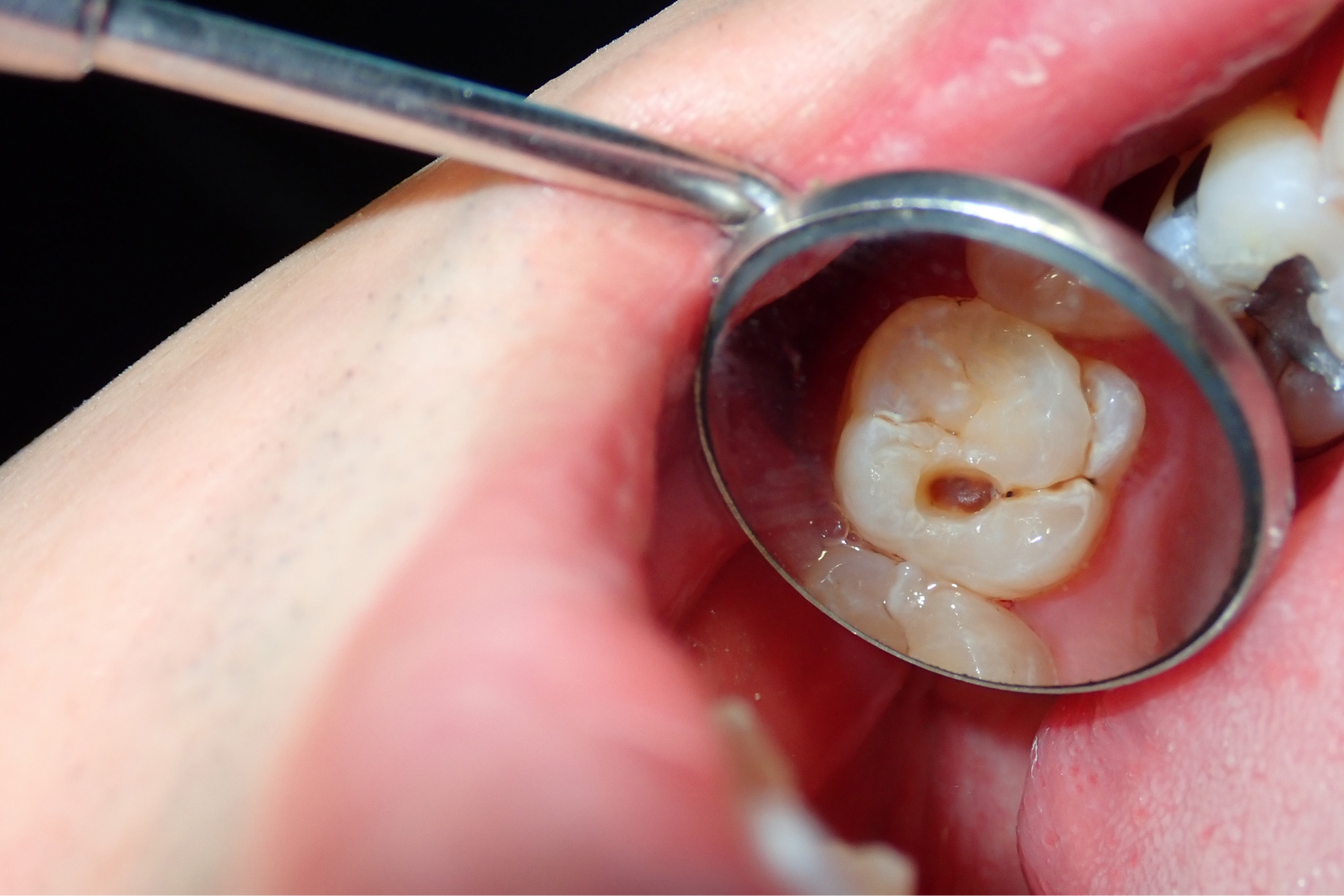
Seeing a tiny black dot on a tooth can be unnerving. Is it just coffee stain, a piece of tartar, or the start of a cavity? You want clarity and a simple plan. This guide gives you an easy self-check framework you can use at home, plus clear next steps and treatment options available at Ethos Dental Studio in Langley. We take the time to explain what you are seeing. We help you decide when to monitor and when to book. You will feel informed, supported, and ready to act. A Simple Self‑Check Framework Think of this as a quick checklist. Four clues help you narrow it down: location, texture, pain, and progression. Location: Where is the spot? On the front surface, along the gumline, in a deep groove, or between teeth? Texture: Is the area rough, sticky, chalky, or hard and smooth? Pain: Do you feel sensitivity to sweets, cold, or biting pressure? Progression: Has the spot grown or darkened over weeks or months? Pair these clues with the descriptions below to get a good idea of what you are dealing with. What Common Causes Look and Feel Like 1) Surface stain from foods, drinks, or habits Where: Front and back surfaces, along the gumline, in pits and fissures of molars. Texture: Smooth and hard. Often wipes a bit lighter with brushing or a whitening toothpaste, but does not fully lift at home. Triggers: Coffee, tea, red wine, berries, soy sauce, tobacco, and even some mouthrinses with chlorhexidine. Pain: None. Progression: Slow and patchy. Looks brown to black in tight grooves. What to do: Step up brushing with a soft brush, floss daily, and consider a whitening toothpaste. If it stays put, a professional cleaning will lift most extrinsic stain quickly. 2) Trapped plaque and tartar (calculus) Where: Common near the lower front teeth and upper molars by the cheeks, especially along the gumline or behind teeth where saliva ducts drain. Texture: Feels rough or grainy with your tongue. The surface can look yellow, brown, or black when it has been there a while. Pain: Often none, but gums may bleed when flossing or look puffy. Progression: Builds up and darkens over time. What to do: Book a hygiene visit. Tartar needs professional instruments to remove. Afterward, gums calm down and the dark deposits are gone. Your hygienist will coach you on home care to slow it down. 3) Early decay in a groove or between teeth Where: Deep pits and fissures, the contact point between teeth, or right at the gumline if plaque sits there. Texture: Can feel sticky or soft at the centre of the spot. Surrounding enamel may look chalky white or dull. Pain: Sensitivity to sweets or cold can be an early sign. Biting pain suggests a deeper problem. Progression: Can darken and spread under the surface. The hole may be small outside but larger underneath. How to know if a black dot on a tooth is a cavity: Look for a spot that does not brush off, feels tacky with dental floss catching, causes sweet or cold sensitivity, and slowly enlarges. If you notice those signs, treat it like decay until proven otherwise. What to do: Do not wait. Small cavities are quick to fix with a conservative filling. We use digital X‑rays and intraoral photos to confirm and show you the area. 4) Old metal fillings and stain around restorations Where: On back teeth with silver amalgam fillings or older crowns. Texture: Hard and smooth inside the filling; edges may feel slightly rough if a margin is worn. Pain: Usually none unless there is leakage or a crack. Progression: Stable appearance for years. Darkness comes from the metal or stain in the tiny edges. What to do: If the edges are intact and the tooth is comfortable, this is usually fine. If a margin is broken or there is a crack, we discuss repair options, an onlay, or a new crown. 5) Less common causes: internal discolouration or rare lesions Where: A single tooth that darkened after trauma, or a spot that looks unusual and does not match the patterns above. Texture: The surface can be intact, but the colour is darker from within the tooth. Pain: May appear months after an injury or deep cavity. Progression: Variable. What to do: Book an exam. We rule out nerve changes, cracks, or unusual lesions and plan appropriate care. Can a Black Spot Go Away? If it is surface stain: Yes, often. A professional cleaning removes it. At home, you can lighten it, but stubborn stain needs scaling and polishing. If it is tartar: Not on its own. Tartar must be professionally removed. If it is a cavity: No. You cannot brush a cavity away. Early enamel demineralization can sometimes be arrested or re‑hardened with fluoride, but once there is a hole, it needs a filling. If it is an old metal filling: The dark look remains unless the filling is replaced. Does a Black Tooth Mean Infection? Not always. Black colour alone does not equal infection. Infection relates to bacteria reaching the nerve and causing swelling, abscess, or pain. Signs that point more to infection include persistent throbbing, swelling of the gum or face, a pimple on the gum, foul taste, or pain that wakes you at night. If you notice these, call us promptly. We assess with an exam and X‑ray and discuss options, including root canal therapy when appropriate. A Practical Timeline: When To Monitor vs Book Use this simple schedule to stay on track. Watch and wait, 2 to 4 weeks: Minor smooth stain with no symptoms. Try stricter brushing and flossing. If it does not fade, book a cleaning. Book soon, within 1 to 2 weeks: Rough, grainy buildup near the gums, floss catches, or the spot is growing. Book now, within a few days: Sensitivity to sweets or cold that is new or worsening, a visible hole, or a crack line with darkening. Seek urgent care, same day: Facial swelling, severe throbbing pain, a gum pimple, or trauma. Treatment Options At Ethos Dental Studio We walk you through options step by step so you feel heard and valued. Professional hygiene: Removes plaque, tartar, and surface stain efficiently. You leave with smooth teeth and tailored home care tips. Fluoride and sealants: Help strengthen enamel and seal deep grooves in kids and adults who are cavity prone. Tooth coloured fillings: Conservative repairs that blend naturally and restore function. Onlays and crowns: For large fractures, worn fillings, or teeth that need full coverage and strength. Root canal therapy: For infected or painful teeth that can still be saved. Whitening: If staining remains after cleaning and you want a brighter smile, we review safe options. We use digital X‑rays, intraoral photos, and iTero 3D scans to show you exactly what we see. Clear communication, clear choices, and a calm, welcoming experience. Prevention That Fits Langley Life Small daily habits go a long way. Make water your default between coffees on 200 Street commutes. Rinse after dark beverages. Brush twice daily with a fluoride toothpaste. Floss nightly, especially after sticky snacks at the rink or park. Use a straw for iced coffee or tea to reduce contact time. Wear a custom sports mouthguard for hockey to reduce chips and post‑game staining in groove lines. Keep 6 month cleanings if you build tartar quickly. Some people need 3 to 4 month intervals, and that is okay. When You Want Certainty, We Are Here If you want a friendly, modern clinic that explains clearly and works at your pace, consider Ethos Dental Studio. We offer direct billing to most insurance plans as a courtesy, and we help you plan care around your benefits. Evening times and select Saturdays are available by request. You can book online or call our team today. If you are searching for a trusted dentist in Langley, try this link: dentist Langley. If you prefer to explore our services first, you can also visit dental clinic langley bc. Key Takeaways Smooth black marks are often stain, rough dark deposits are often tartar, and sticky or growing dark spots point to early decay. A black spot can fade if it is stain, but cavities and tartar do not go away on their own. Black colour does not always mean infection, pain and swelling are bigger red flags. When in doubt, book a quick assessment. Small problems are easier to fix, and you will leave with a clear, personalized plan. Ethos Dental Studio, Langley BC Phone: (604) 513‑8282 Email: info@ethosdentalstudio.ca . Online booking available. We look forward to welcoming you and helping your smile feel clean, comfortable, and confident.