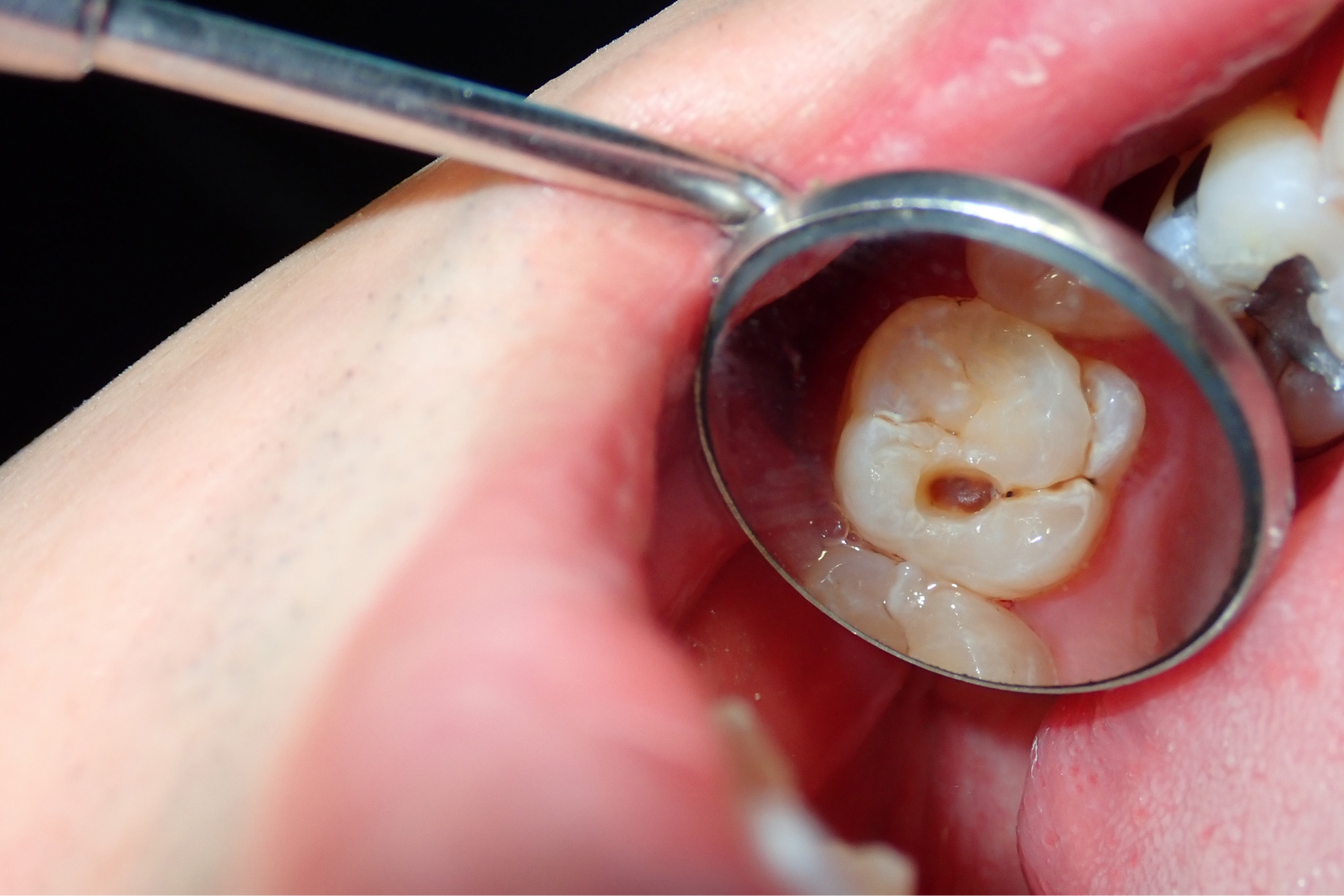
Black Spots On Teeth: Stain, Tartar, Or Cavity? How To Tell And What To Do
Seeing a tiny black dot on a tooth can be unnerving. Is it just coffee stain, a piece of tartar, or the start of a cavity? You want clarity and a simple plan. This guide gives you an easy self-check framework you can use at home, plus clear next steps and treatment options available at Ethos Dental Studio in Langley.
We take the time to explain what you are seeing. We help you decide when to monitor and when to book. You will feel informed, supported, and ready to act.
A Simple Self‑Check Framework
Think of this as a quick checklist. Four clues help you narrow it down: location, texture, pain, and progression.
- Location: Where is the spot? On the front surface, along the gumline, in a deep groove, or between teeth?
- Texture: Is the area rough, sticky, chalky, or hard and smooth?
- Pain: Do you feel sensitivity to sweets, cold, or biting pressure?
- Progression: Has the spot grown or darkened over weeks or months?
Pair these clues with the descriptions below to get a good idea of what you are dealing with.
What Common Causes Look and Feel Like
1) Surface stain from foods, drinks, or habits
- Where: Front and back surfaces, along the gumline, in pits and fissures of molars.
- Texture: Smooth and hard. Often wipes a bit lighter with brushing or a whitening toothpaste, but does not fully lift at home.
- Triggers: Coffee, tea, red wine, berries, soy sauce, tobacco, and even some mouthrinses with chlorhexidine.
- Pain: None.
- Progression: Slow and patchy. Looks brown to black in tight grooves.
What to do: Step up brushing with a soft brush, floss daily, and consider a whitening toothpaste. If it stays put, a professional cleaning will lift most extrinsic stain quickly.
2) Trapped plaque and tartar (calculus)
- Where: Common near the lower front teeth and upper molars by the cheeks, especially along the gumline or behind teeth where saliva ducts drain.
- Texture: Feels rough or grainy with your tongue. The surface can look yellow, brown, or black when it has been there a while.
- Pain: Often none, but gums may bleed when flossing or look puffy.
- Progression: Builds up and darkens over time.
What to do: Book a hygiene visit. Tartar needs professional instruments to remove. Afterward, gums calm down and the dark deposits are gone. Your hygienist will coach you on home care to slow it down.
3) Early decay in a groove or between teeth
- Where: Deep pits and fissures, the contact point between teeth, or right at the gumline if plaque sits there.
- Texture: Can feel sticky or soft at the centre of the spot. Surrounding enamel may look chalky white or dull.
- Pain: Sensitivity to sweets or cold can be an early sign. Biting pain suggests a deeper problem.
- Progression: Can darken and spread under the surface. The hole may be small outside but larger underneath.
How to know if a black dot on a tooth is a cavity: Look for a spot that does not brush off, feels tacky with dental floss catching, causes sweet or cold sensitivity, and slowly enlarges. If you notice those signs, treat it like decay until proven otherwise.
What to do: Do not wait. Small cavities are quick to fix with a conservative filling. We use digital X‑rays and intraoral photos to confirm and show you the area.
4) Old metal fillings and stain around restorations
- Where: On back teeth with silver amalgam fillings or older crowns.
- Texture: Hard and smooth inside the filling; edges may feel slightly rough if a margin is worn.
- Pain: Usually none unless there is leakage or a crack.
- Progression: Stable appearance for years. Darkness comes from the metal or stain in the tiny edges.
What to do: If the edges are intact and the tooth is comfortable, this is usually fine. If a margin is broken or there is a crack, we discuss repair options, an onlay, or a new crown.
5) Less common causes: internal discolouration or rare lesions
- Where: A single tooth that darkened after trauma, or a spot that looks unusual and does not match the patterns above.
- Texture: The surface can be intact, but the colour is darker from within the tooth.
- Pain: May appear months after an injury or deep cavity.
- Progression: Variable.
What to do: Book an exam. We rule out nerve changes, cracks, or unusual lesions and plan appropriate care.
Can a Black Spot Go Away?
- If it is surface stain: Yes, often. A professional cleaning removes it. At home, you can lighten it, but stubborn stain needs scaling and polishing.
- If it is tartar: Not on its own. Tartar must be professionally removed.
- If it is a cavity: No. You cannot brush a cavity away. Early enamel demineralization can sometimes be arrested or re‑hardened with fluoride, but once there is a hole, it needs a filling.
- If it is an old metal filling: The dark look remains unless the filling is replaced.
Does a Black Tooth Mean Infection?
Not always. Black colour alone does not equal infection. Infection relates to bacteria reaching the nerve and causing swelling, abscess, or pain. Signs that point more to infection include persistent throbbing, swelling of the gum or face, a pimple on the gum, foul taste, or pain that wakes you at night. If you notice these, call us promptly. We assess with an exam and X‑ray and discuss options, including root canal therapy when appropriate.
A Practical Timeline: When To Monitor vs Book
Use this simple schedule to stay on track.
- Watch and wait, 2 to 4 weeks: Minor smooth stain with no symptoms. Try stricter brushing and flossing. If it does not fade, book a cleaning.
- Book soon, within 1 to 2 weeks: Rough, grainy buildup near the gums, floss catches, or the spot is growing.
- Book now, within a few days: Sensitivity to sweets or cold that is new or worsening, a visible hole, or a crack line with darkening.
- Seek urgent care, same day: Facial swelling, severe throbbing pain, a gum pimple, or trauma.
Treatment Options At Ethos Dental Studio
We walk you through options step by step so you feel heard and valued.
- Professional hygiene: Removes plaque, tartar, and surface stain efficiently. You leave with smooth teeth and tailored home care tips.
- Fluoride and sealants: Help strengthen enamel and seal deep grooves in kids and adults who are cavity prone.
- Tooth coloured fillings: Conservative repairs that blend naturally and restore function.
- Onlays and crowns: For large fractures, worn fillings, or teeth that need full coverage and strength.
- Root canal therapy: For infected or painful teeth that can still be saved.
- Whitening: If staining remains after cleaning and you want a brighter smile, we review safe options.
We use digital X‑rays, intraoral photos, and iTero 3D scans to show you exactly what we see. Clear communication, clear choices, and a calm, welcoming experience.
Prevention That Fits Langley Life
Small daily habits go a long way.
- Make water your default between coffees on 200 Street commutes. Rinse after dark beverages.
- Brush twice daily with a fluoride toothpaste. Floss nightly, especially after sticky snacks at the rink or park.
- Use a straw for iced coffee or tea to reduce contact time.
- Wear a custom sports mouthguard for hockey to reduce chips and post‑game staining in groove lines.
- Keep 6 month cleanings if you build tartar quickly. Some people need 3 to 4 month intervals, and that is okay.
When You Want Certainty, We Are Here
If you want a friendly, modern clinic that explains clearly and works at your pace, consider Ethos Dental Studio. We offer direct billing to most insurance plans as a courtesy, and we help you plan care around your benefits. Evening times and select Saturdays are available by request.
You can book online or call our team today. If you are searching for a trusted dentist in Langley, try this link: dentist Langley. If you prefer to explore our services first, you can also visit dental clinic langley bc.
Key Takeaways
- Smooth black marks are often stain, rough dark deposits are often tartar, and sticky or growing dark spots point to early decay.
- A black spot can fade if it is stain, but cavities and tartar do not go away on their own.
- Black colour does not always mean infection, pain and swelling are bigger red flags.
- When in doubt, book a quick assessment. Small problems are easier to fix, and you will leave with a clear, personalized plan.
Ethos Dental Studio, Langley BC Phone:
(604) 513‑8282 Email:info@ethosdentalstudio.ca. Online booking available. We look forward to welcoming you and helping your smile feel clean, comfortable, and confident.